
Managing Glucose Levels after Meals
Purpose of Guide
It is normal for blood glucose levels to rise somewhat after a meal. However, when blood glucose levels consistently rise dramatically after a meal, this can increase the risk of cardiovascular disease and other complications of diabetes.
This guide provides information on the steps you can take to reduce the rise in blood glucose levels after a meal. There are two areas that you can work on.
1) Aim for glucose levels between 4 to 8mmol/l three hours after a meal.
2) Aim for the peak glucose level after a meal to be no more than 10mmo/l (or no more than 4 mmol/l above the pre-meal glucose level)
1: Aim for glucose levels between 4 to 8mmol/l three hours after a meal
- Check the Insulin to Carbohydrate Ratio
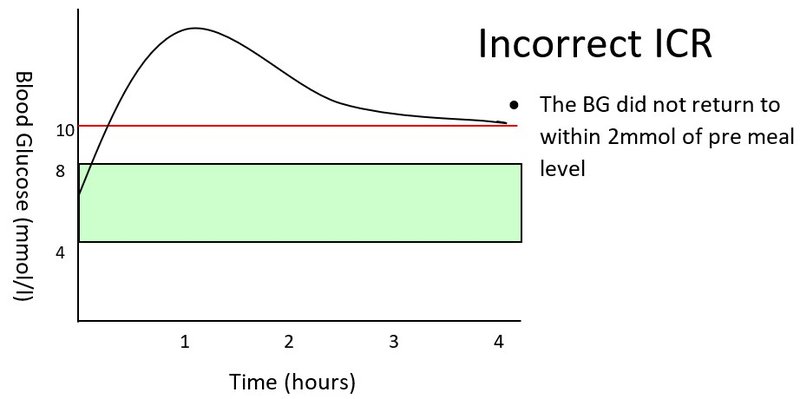
It is important to give the right dose of insulin for the amount of carbohydrate in the meal. To achieve this, you need to make sure that your carbohydrate counting is reasonably accurate and that you are using the right insulin to carbohydrate ratio (ICR). The ICR determines how much insulin is needed for the quantity of carbohydrate in the meal. Sometimes a different ICR is needed at different times of the day. To check the ICR, look at the glucose level before the meal and then again 2 to 3 hours after the meal. The ICR is correct if the insulin dose usually brings the glucose level back to within 2mmol/l of where it was before the meal.
- Check the Insulin Sensitivity Factor
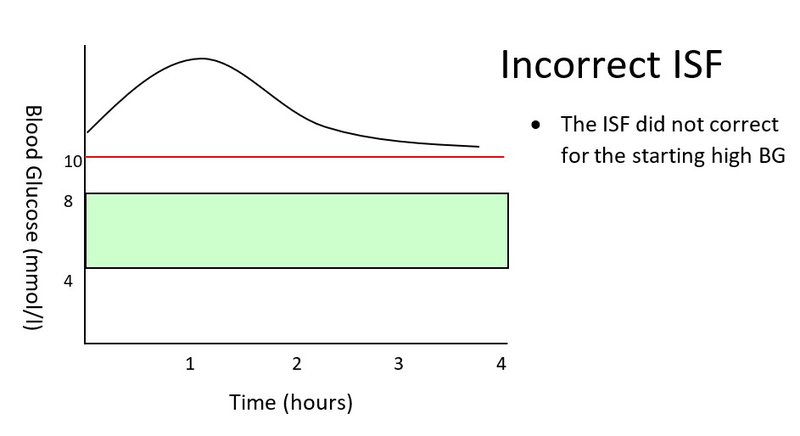
When the glucose level is high before a meal, extra insulin is needed to bring the glucose level back into range. The insulin sensitivity factor (ISF) indicates how much extra insulin is needed to correct a high glucose level. Look for times when your glucose level was high before a meal and you have given a correction dose. If you find that the glucose level does not come back into range, or the glucose level often ends up low after giving a correction, then consider changing the ISF.
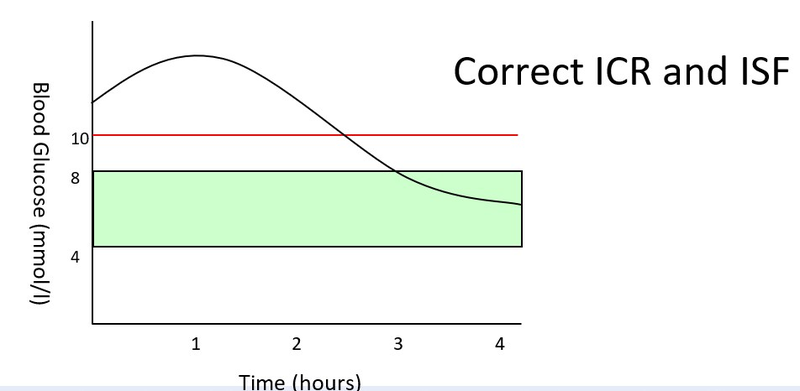
When you are using the right ICR and ISF then the glucose levels should usually come back to be in range by the next meal or snack time. If you are not sure what changes you should make to the ICR and ISF, then discuss this with your diabetes team at your next clinic appointment.
2: Aim for the peak glucose level after a meal to be no more than 10mmol/l (or no more than 4mmol higher than the pre-meal level)
There are a number of things you can do to reduce the peak in glucose levels that occurs between meals. Look for times of day when you consistently see a rapid rise in glucose level between meals and work on these first.
- Choose carbohydrate foods with a lower glycaemic index
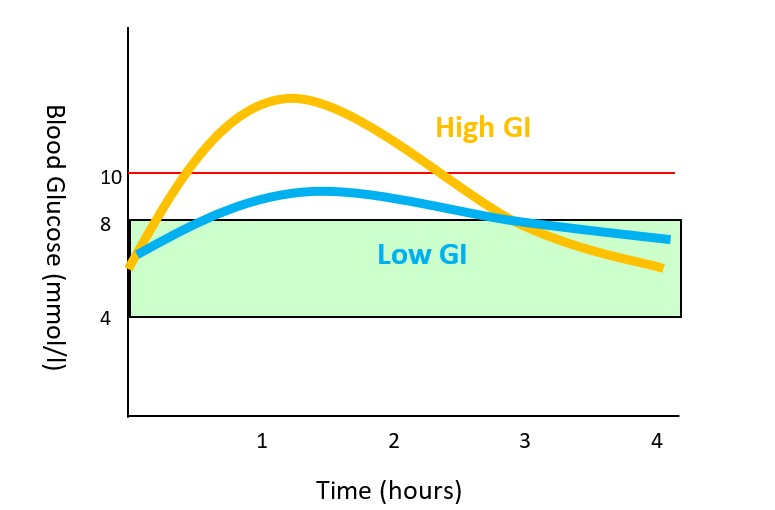
Glycaemic index (GI) is a measure of how quickly foods that contain carbohydrate are digested or broken down into sugars and absorbed into the blood. Low GI foods have a lower, slower effect on blood glucose levels and high GI foods have a faster and higher effect on blood glucose levels. Swapping foods that have a high GI such as white bread or rice bubbles for foods with a low GI such as porridge or banana smoothie will help to reduce the glucose spikes after meals.
- Eat carbohydrate foods combined with other foods
The carbohydrate from food will be digested and absorbed more slowly when it is eaten in a meal with other foods. Many foods, including vegetables, legumes, nuts, milk, olive oil and vinegar have been shown to reduce the rise in glucose levels after a meal. Instead of eating foods that contain a lot of starch such as bread, crackers or noodles on their own, make a more nourishing meal or snack that includes fruit or vegetables and protein rich foods such as legumes, nuts, eggs, dairy or meats. Eating a mix of foods rather than just starch based foods on their own, will reduce the quantity of carbohydrate in a meal or snack and this can also help to reduce the glucose peak.
- Change the timing of the insulin delivery
You may notice that after some meals glucose levels rise sharply. This occurs because the food is being digested and appearing in the bloodstream before the insulin is fully active. Try giving the insulin 15 to 20 minutes before you start eating. This will allow the peak in insulin action to occur at the same time as the glucose peak and lead to better control of the glucose level.
- Increase physical activity
Mild to moderate physical activity can help to reduce the rise in glucose level after food. Encourage your children to play outside after afternoon tea or go for a walk around the block with the family after dinner.
- Consider the impact of fat and protein
Meals that contain a lot of protein and fat, particularly saturated fat, can result in a prolonged high glucose level. Many people find this occurs after they eat meals such as lasagne, take-away pizza or fish and chips. If you find that the glucose level is usually high 5 or 6 hours after eating these sorts of meals, then you will need to consider splitting the insulin dose and/or giving extra insulin for these foods.
The dietitian in clinic can provide individual advice on changes you can make to the foods you eat to reduce the peak in glucose after meals and on when to use a dual or split bolus.